

Recipe: A cup of Cha (chai)
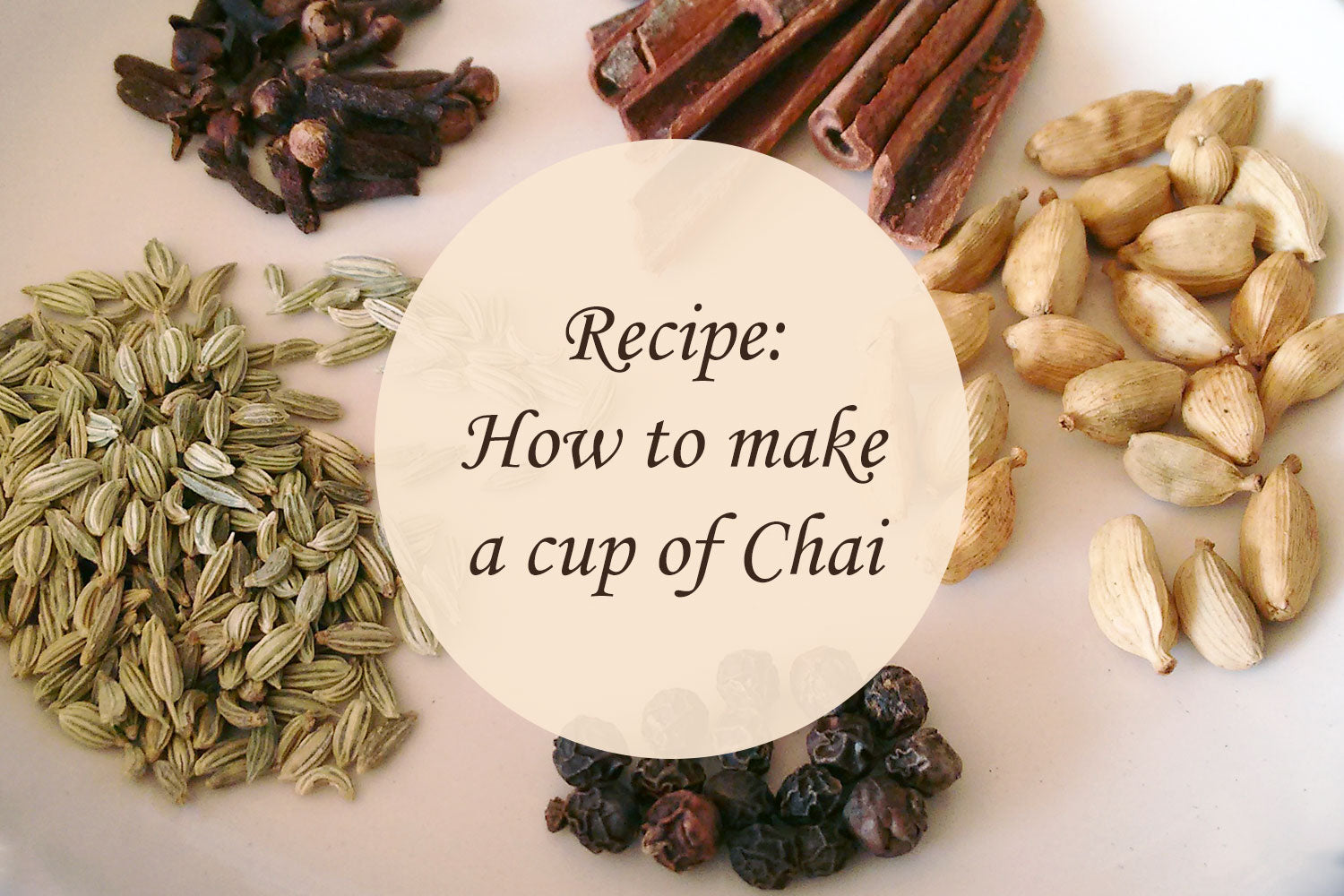
It's no secret that I love tea - which I think pairs perfectly with knitting! Most of the time I drink regular old orange pekoe, or roiboos if I don't want the caffeine, but a cup of chai is always a nice treat and changes things up a little bit.
I recruited my husband for his "recipe" for this post since he makes the best chai (he actually calls it cha since his background is Punjabi). He laughed as I tried to write down measurements while he made the tea. He adds what he feels like that day and goes by colour rather than measuring anything. So with that in mind, please use this as a guideline only and do play around with the proportions to make it to your own taste.
Cha (spiced tea with milk)
- 2-3 black tea bags
- 3-4 black peppercorns
- 4-5 whole cloves
- 5-6 cardamom pods
- 2" piece of cinnamon stick, broken up
- 1/2 tsp fennel seeds
- 2 1/2 cups water
- 1 cup milk
- 2 tbsp (or more) sugar
Directions:
- Gently crush (not grind) the spices in a mortar and pestle. If you don't have a mortar and pestle, just make sure to open up the cardamom pods to release the flavour.
- Put the water, spices and tea bags in a pot. Bring to a boil and keep simmering for about 10 minutes until the water is nice and infused. You do not need to time this exactly.
- Add sugar and stir until it dissolves. If you are making cha for several people who prefer different levels of sweetness, you can leave it out at this point and have each one add it to their own cup at the end.
- Add milk and heat to almost boiling, but don't let it boil over!
- Strain and serve, adding more sugar if needed.
- Enjoy on its own or with your favourite Punjabi dessert!
Makes 2 large cups or 3 small cups


4 Responses

Joanne McBay
I keep a chai blend at school when I want a hot drink and that nice relaxing spice scent. Today some students told me their teacher had a bad cold, so I brewed up a cup for her and sent it over. She said it hit the spot. I first learned about chai from Indian and Sri Lankan colleagues.

Sabrina
OH MY GOODNESS this looks amazing just from the ingredients. I have had proper chai made for me before, but never tried it myself. It doesn’t look that complicated at all! Thanks for sharing, and thanks to Paul as well.

Elizabeth
Yes, going by feel or colour only works if you already know what it’s supposed to taste and look like! I hope you enjoy the recipe!

Lucie
I will definitely try his cha recipe and let you know. I am not very good at going “by feel or color” in cooking or brewing tea so I am happy for the “formula”.
Leave a comment
Also in News

Our new Gavotte BFL worsted yarn

Toccata Organic Cotton: Yarn Notes and Pattern Ideas
We're very excited to bring you the first-ever 100% cotton Sweet Paprika yarn!
Like many of you, we really enjoy working with plant fibres as well as wool yarns, especially in the hot summer months. So we spent some time this past winter researching and sampling cotton and hemp yarn bases, and in the end we decided to bring in a small batch of Toccata, a sport-weight organic cotton.

Three books about sheep and fibre
Are you looking to deepen your knowledge of fleeces and fibres? Below, we introduce three books we carry that contain a wealth of information about different fibre-producing animals and sheep breeds, and the best ways to use their fleeces. We hope this selection will support you as you explore different ways to work with a wide array of animal fibres.
Subscribe
Sign up to get the latest on sales, upcoming events, new yarn, patterns and more...
+About Sweet Paprika
Sweet Paprika Designs offers high-quality materials for knitters and crocheters, with a focus on locally-sourced and sustainable products. Co-owners (and sisters) Debbie and Elizabeth create their own hand-dyed yarns, knitting kits and patterns in their Montreal dye studio and organize knitting and dyeing events in the community.
Elizabeth Sullivan
Author